

Media
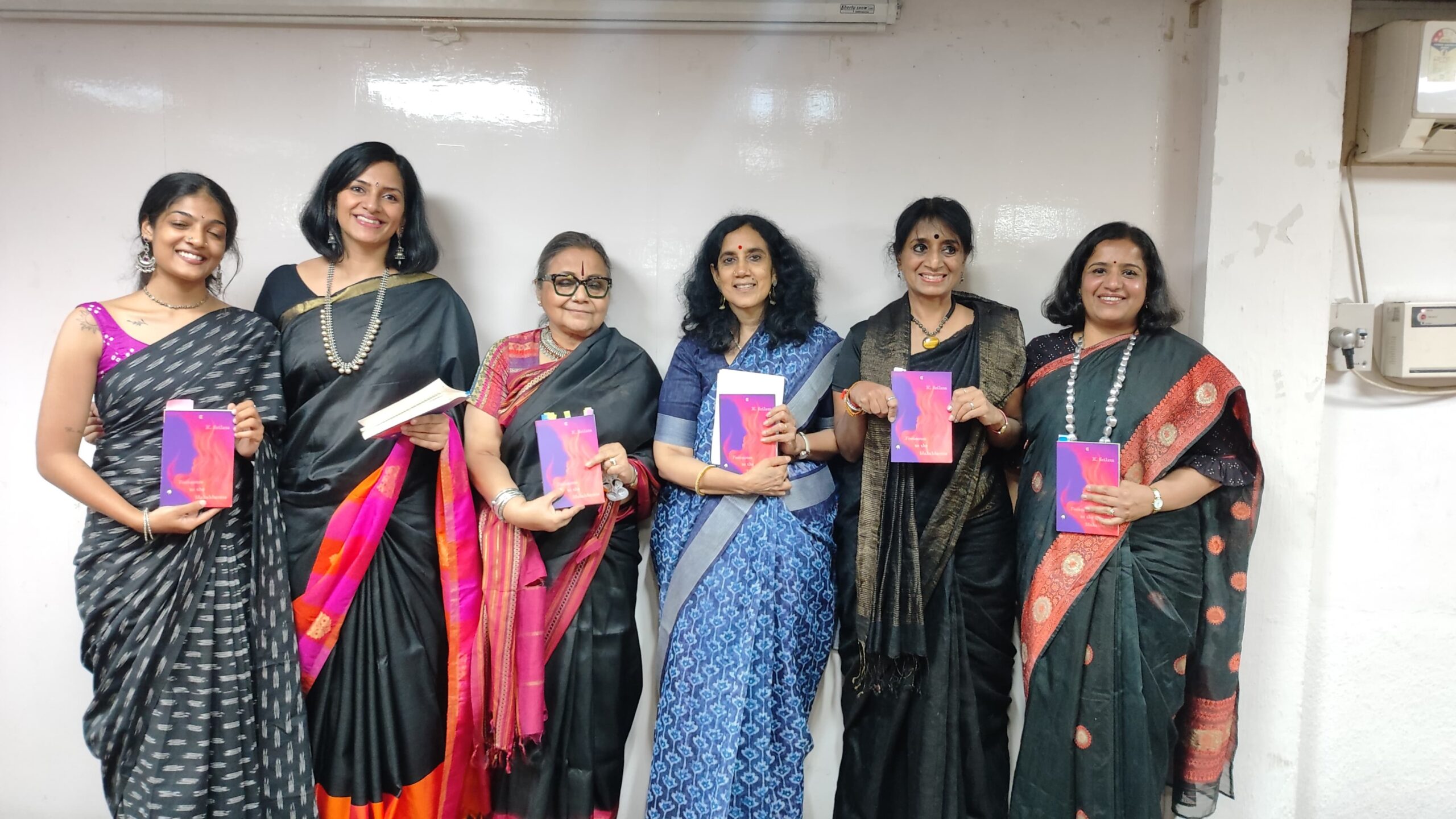
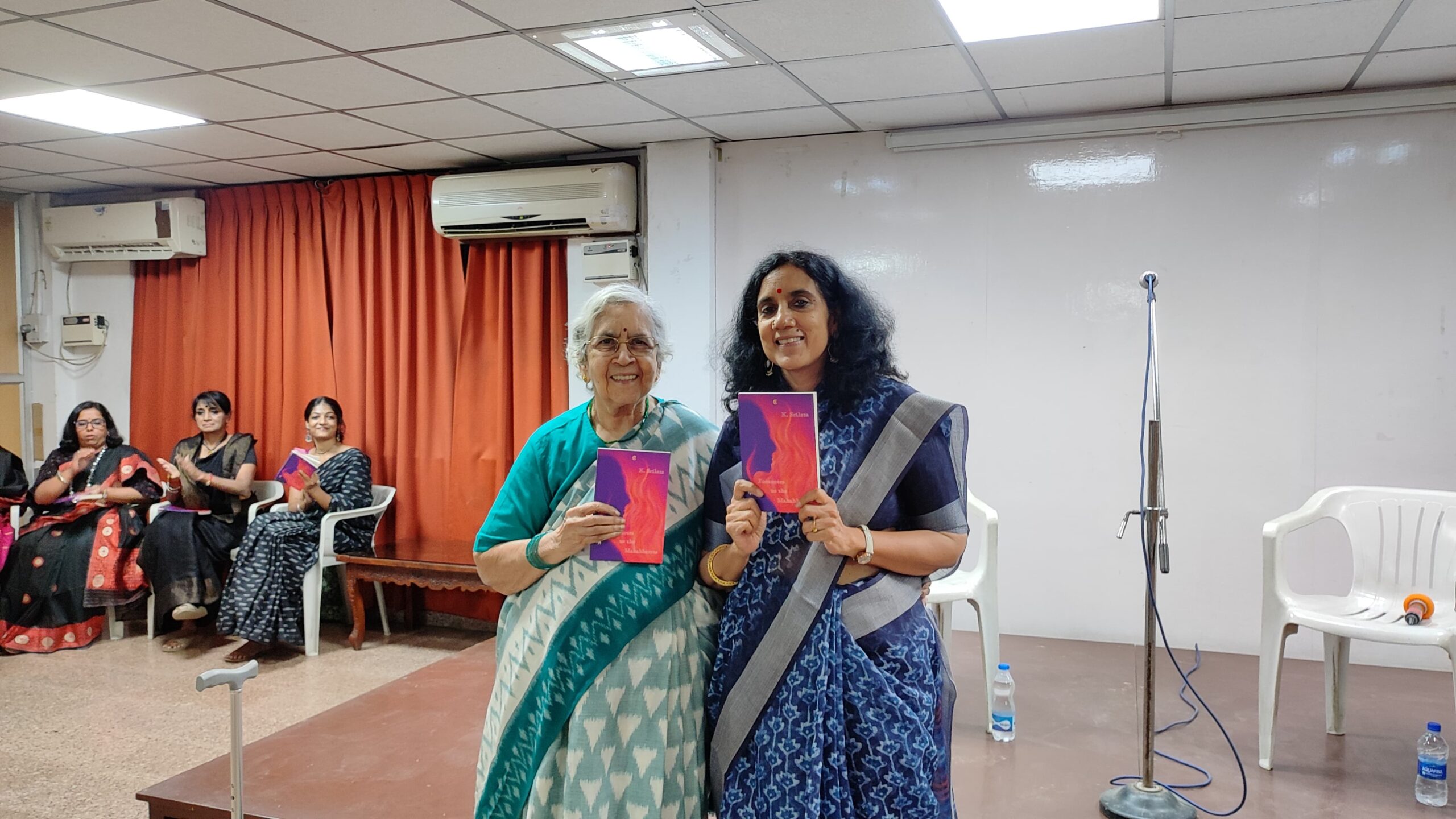
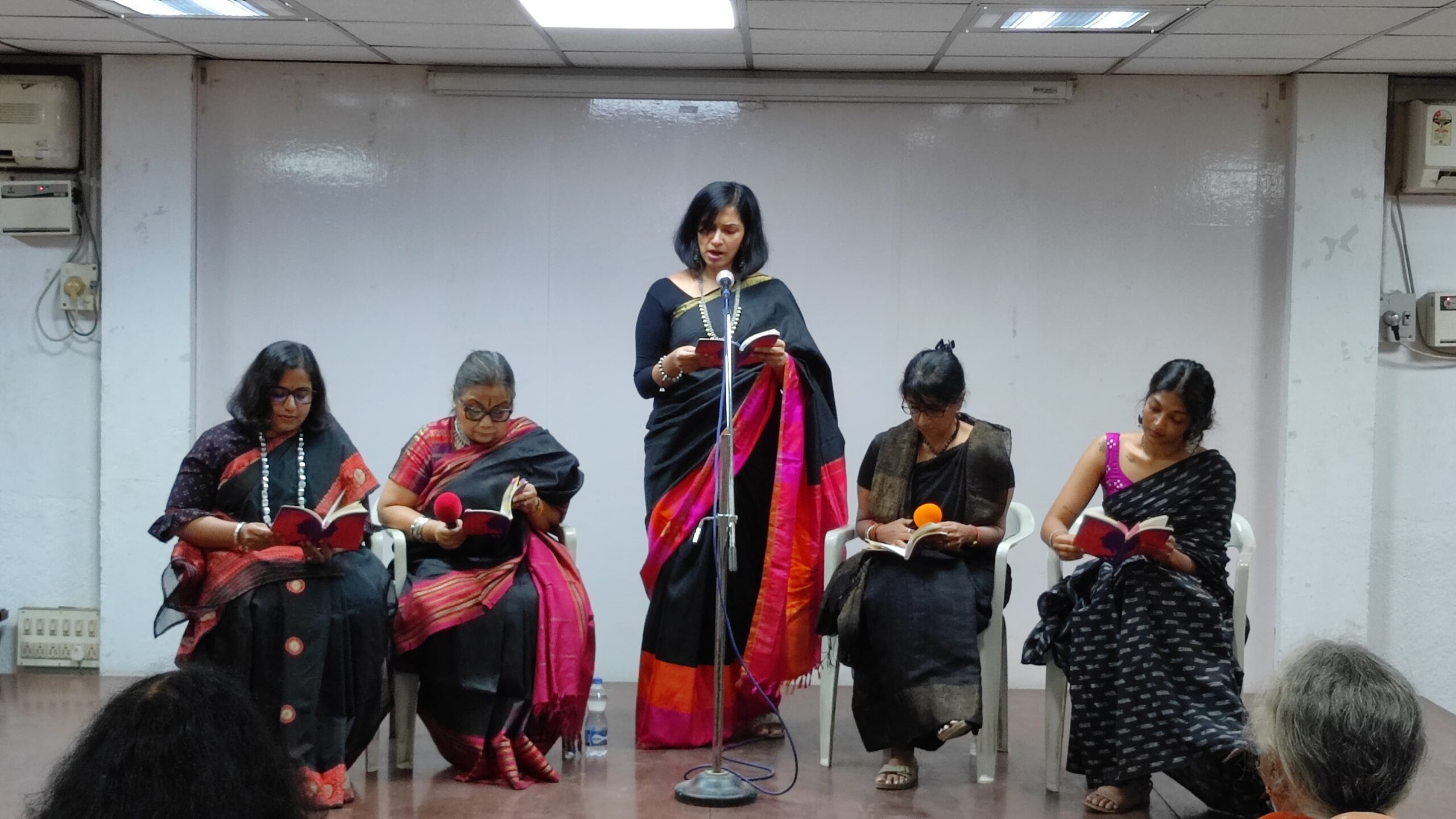
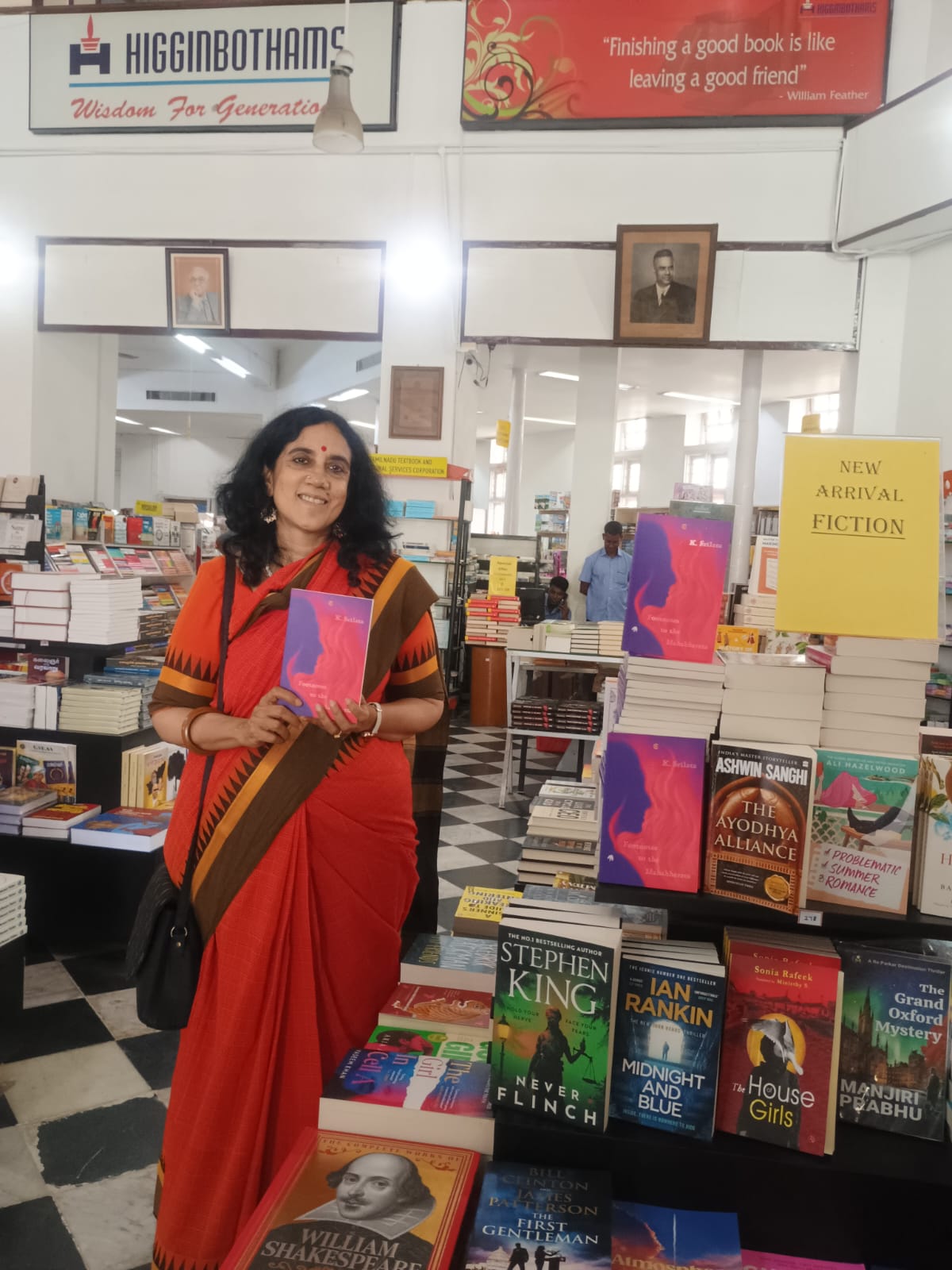
Footnotes of Mahabharata spotlights five iconic women from the epic
JLF 2024 The Invisible Majority: Accessibility For All | K. Srilata, Debashis Paul, Justice Najmi Waziri and Anil Aneja in conversation with V.R. Ferose
Prasar Bharati Archives presents “Talking Tales…” series of eminent personalities
In a candid interview with The New Indian Express, Srilata K reflects on her creative process, choices and the meaning behind her work, Footnotes to The Mahabharata, which explores the untold stories of five female characters from the mythology
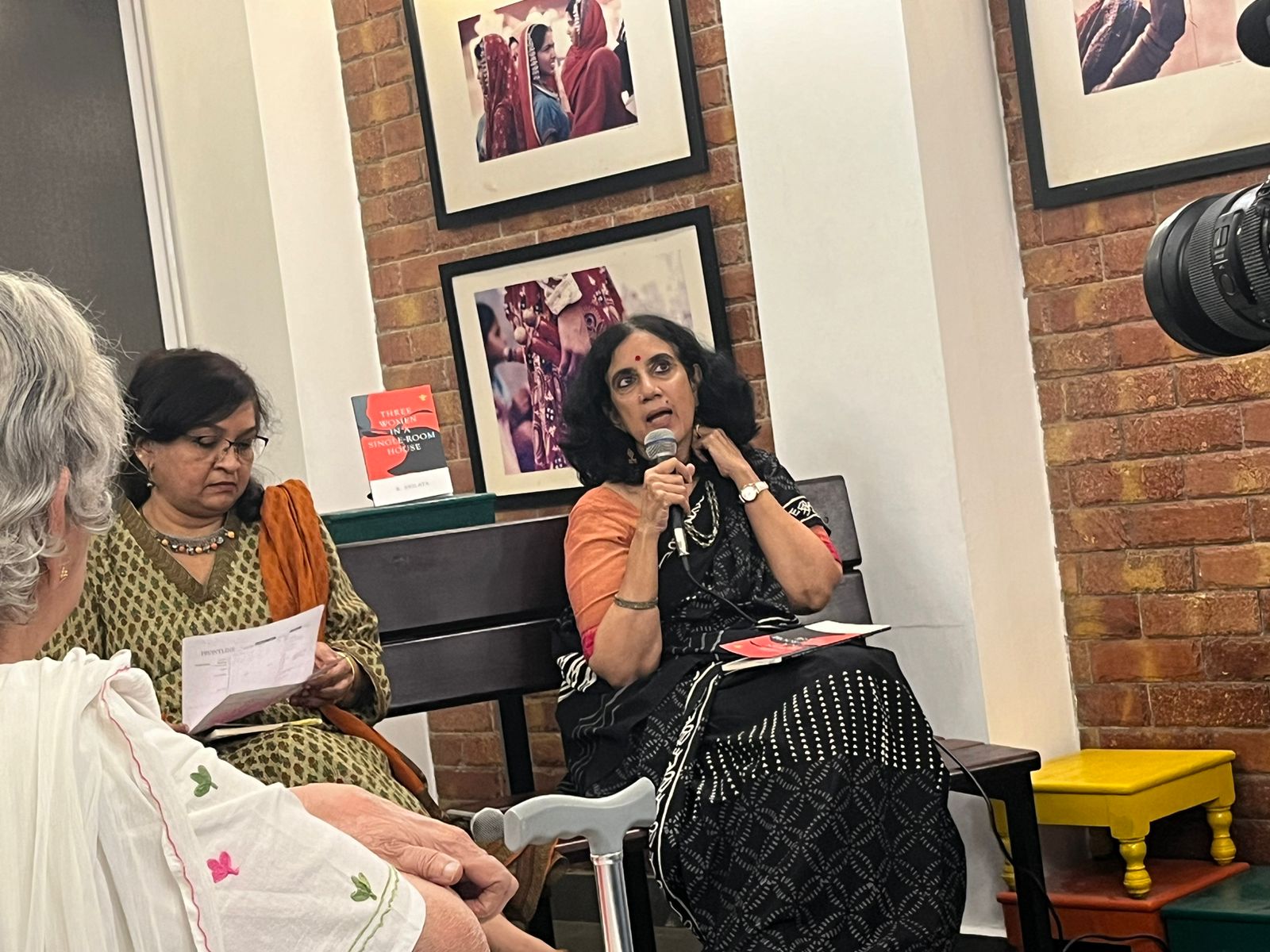
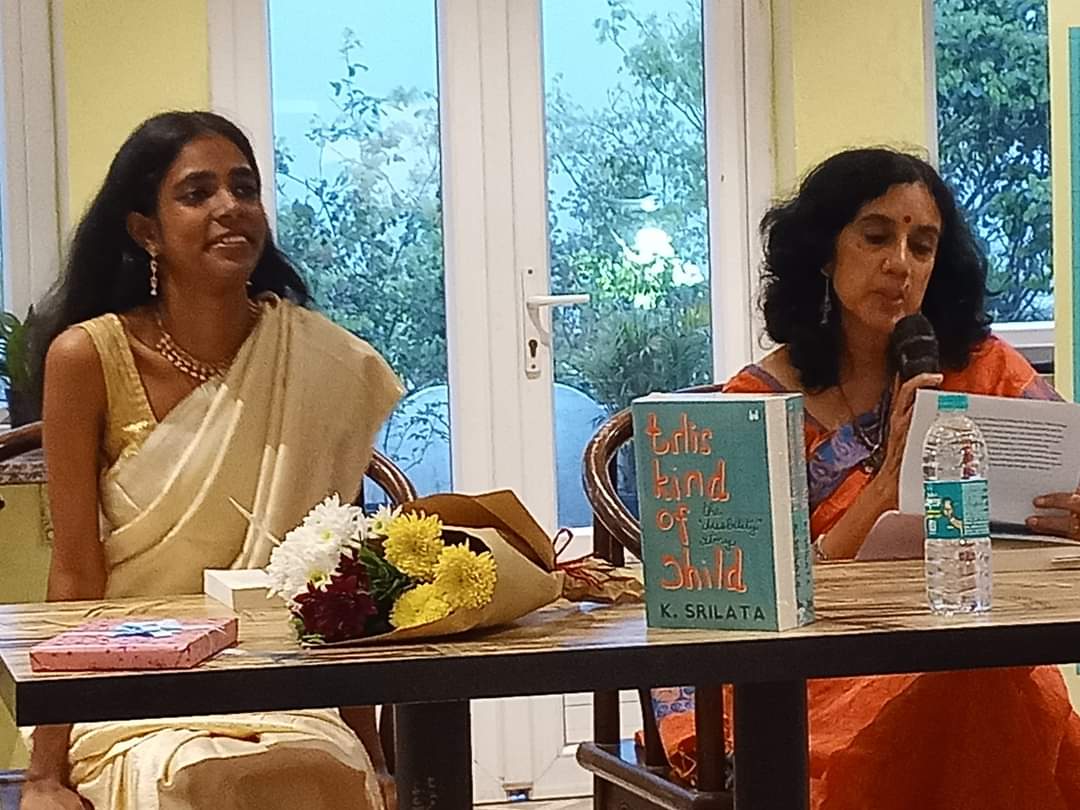
K.Srilata reads from her book ‘This Kind of Child’ in this episode of Reading with Frontline
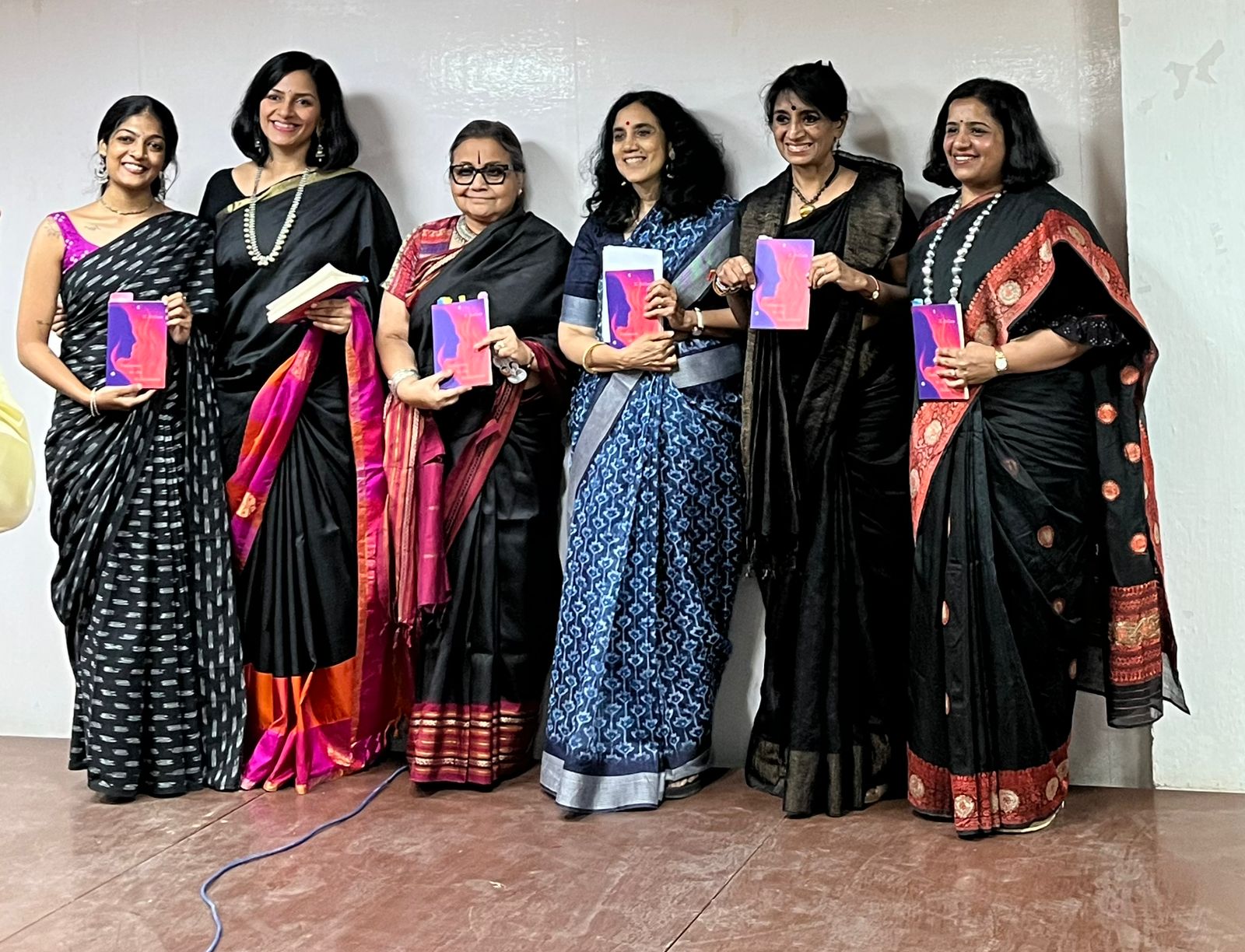
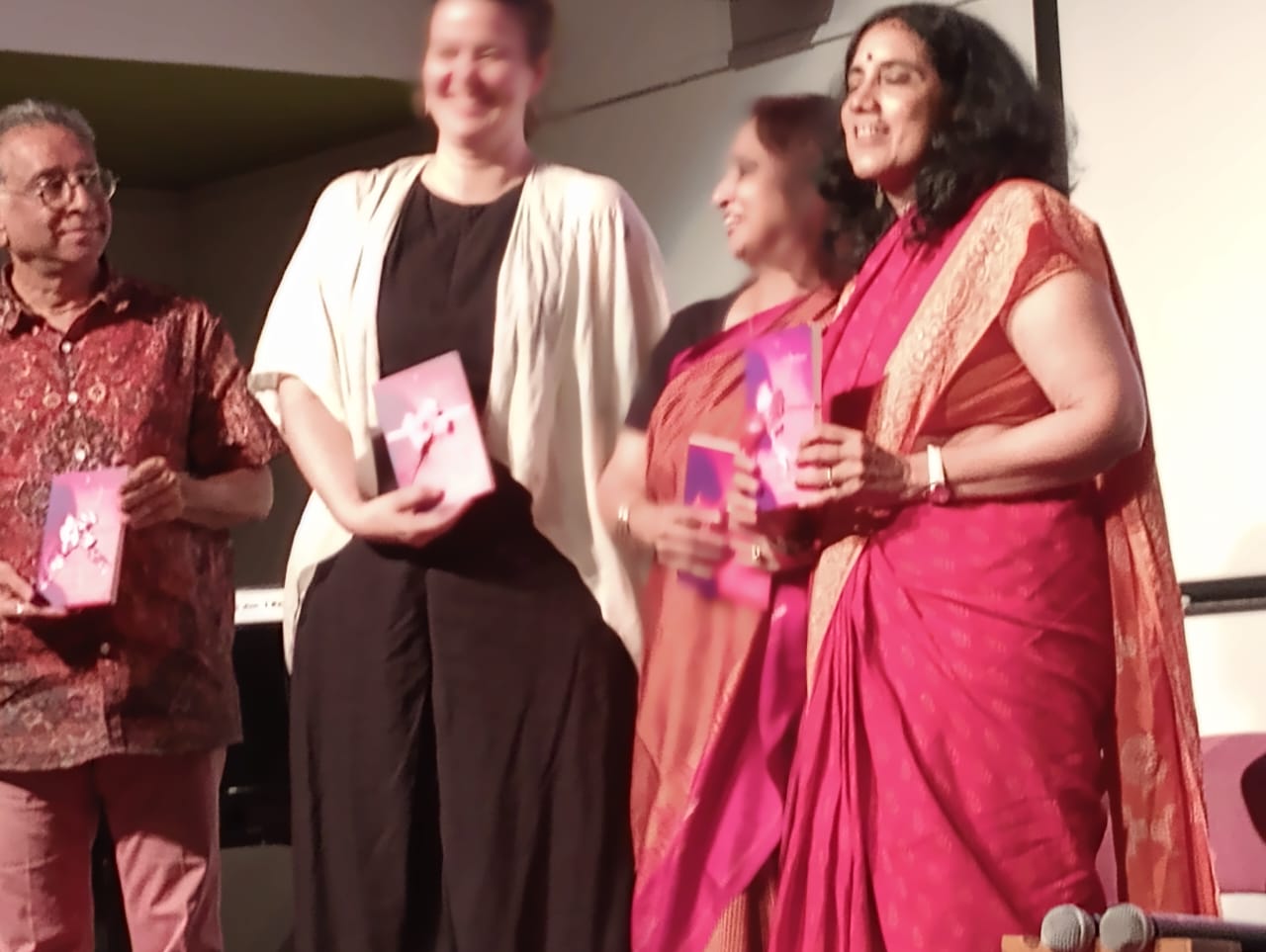
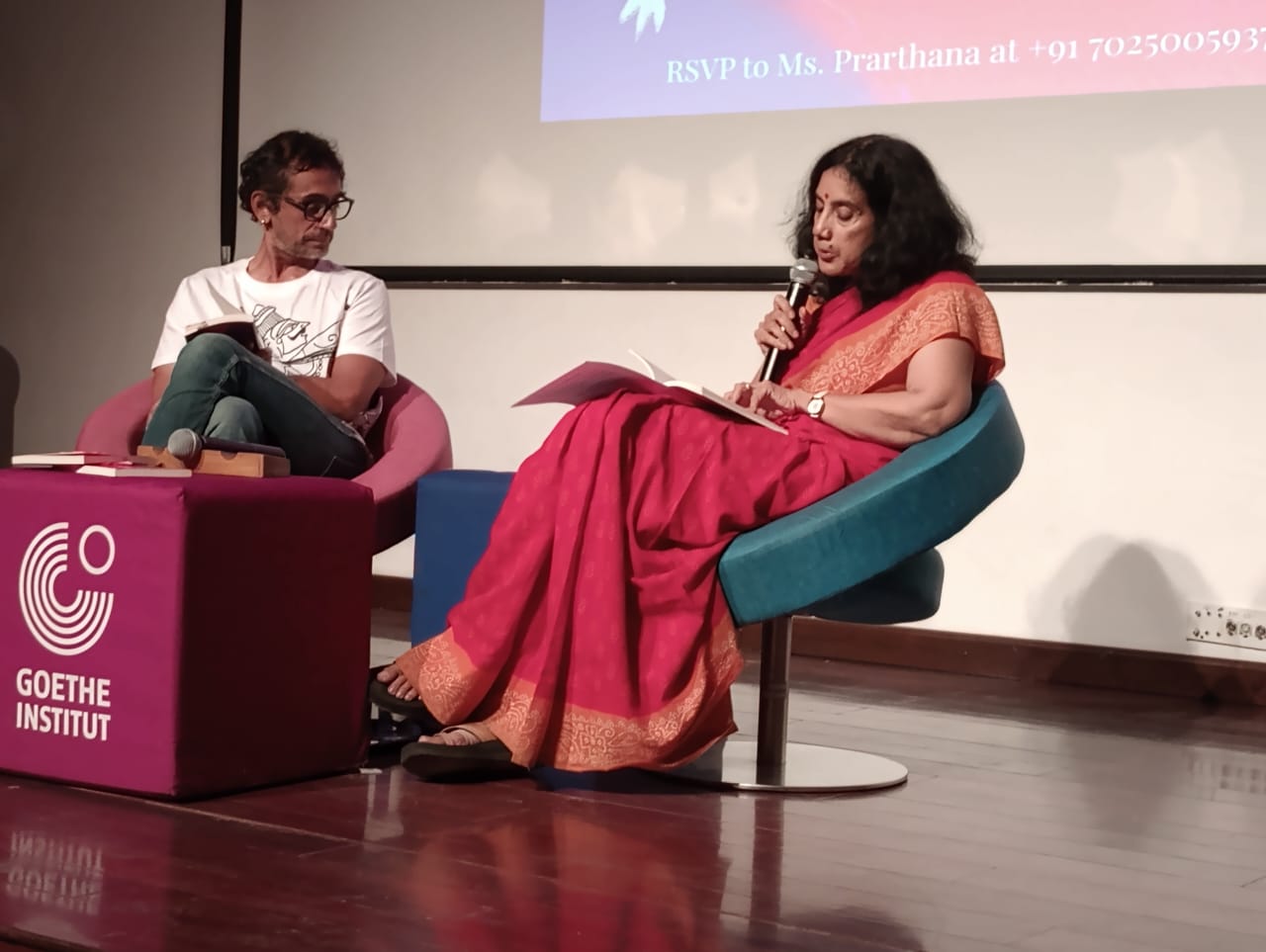
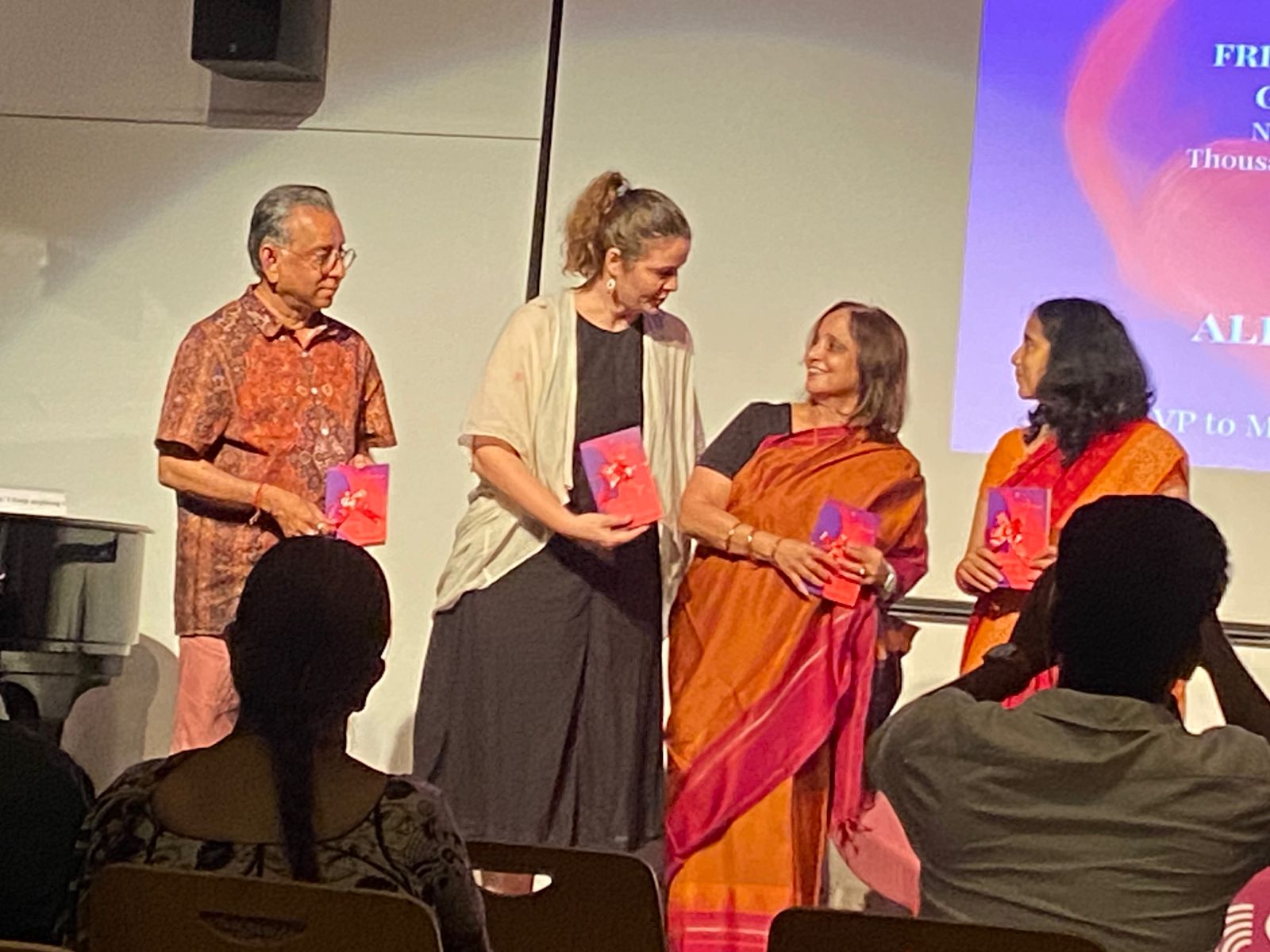
Prakriti Foundation and Goethe Institut, Chennai – launch of “Footnotes to the Mahabharata”
Hindi-Urdu translator Daisy Rockwell in conversation with K. Srilata | The Hindu Lit Fest 2024
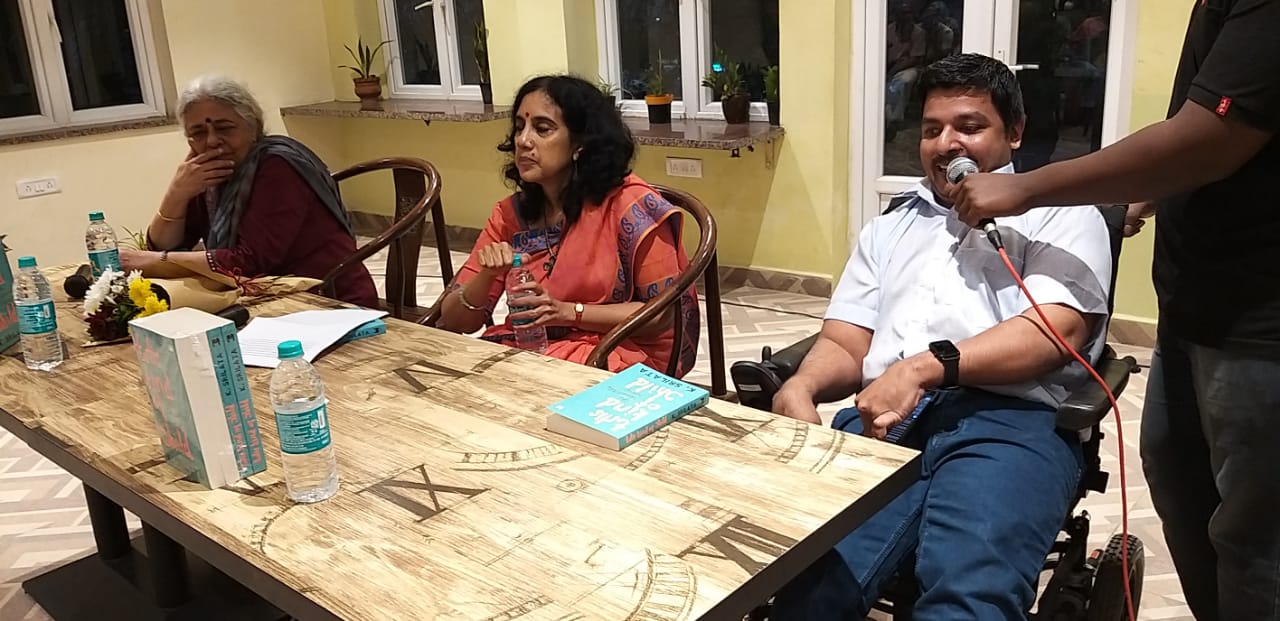
PVLF Author’s Marathon 2024: “Personal Journeys of Strength: Mental Health and Disability Narratives in Literature” under the theme “Mental Health.” Panelists K. Srilata and Debashis Paul
Hyderabad Literary Festival 27-29 January 2023 Literary Session: Panel: The ‘Disability’ Story: K Srilata, Someshwar Sati Moderator: Sridala Swami
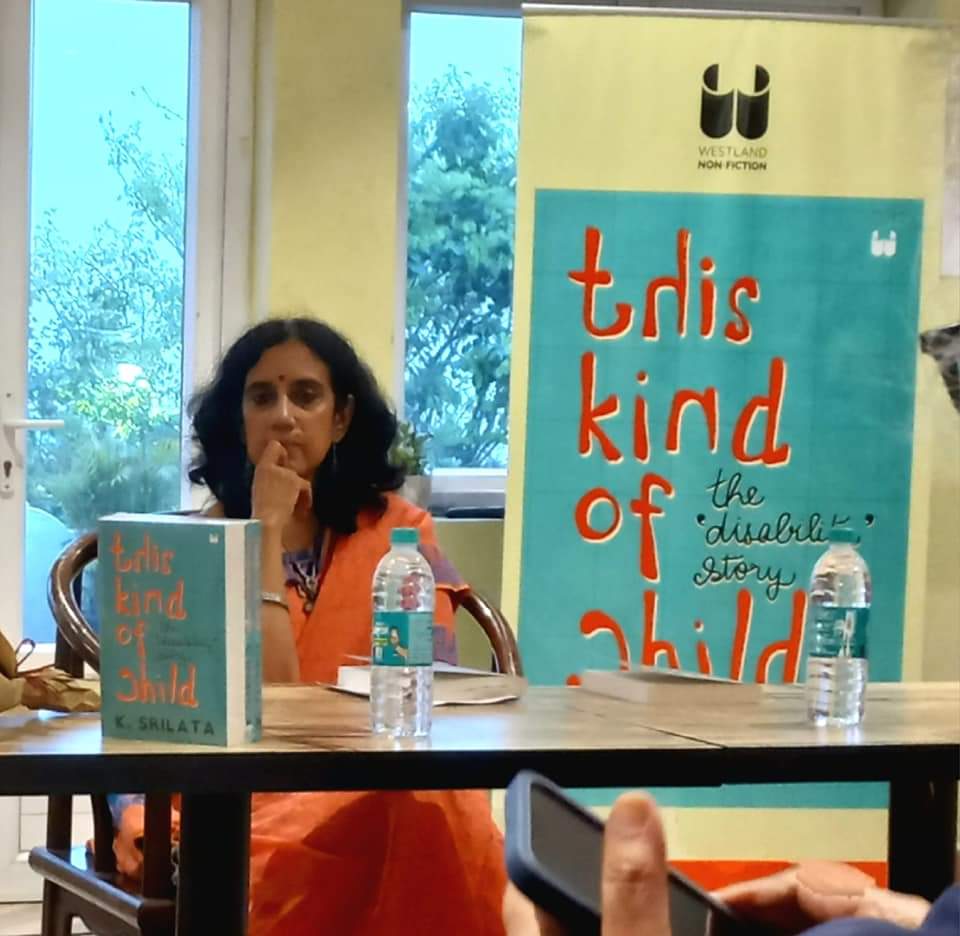
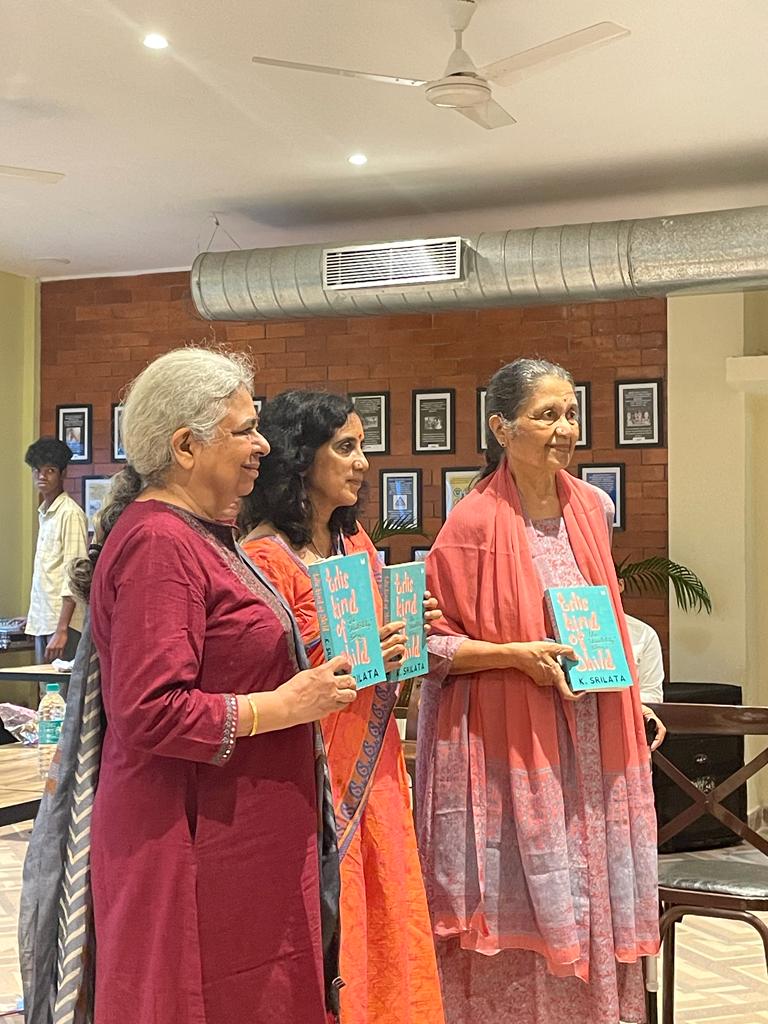
SCILET released Dr. K. Srilata’s book, This Kind of Child, in Madurai on 3 March 2023
A suitcase of Poetry, II Edition – Pongal/ Sankranthi: K. Srilata & Nithy Kasa
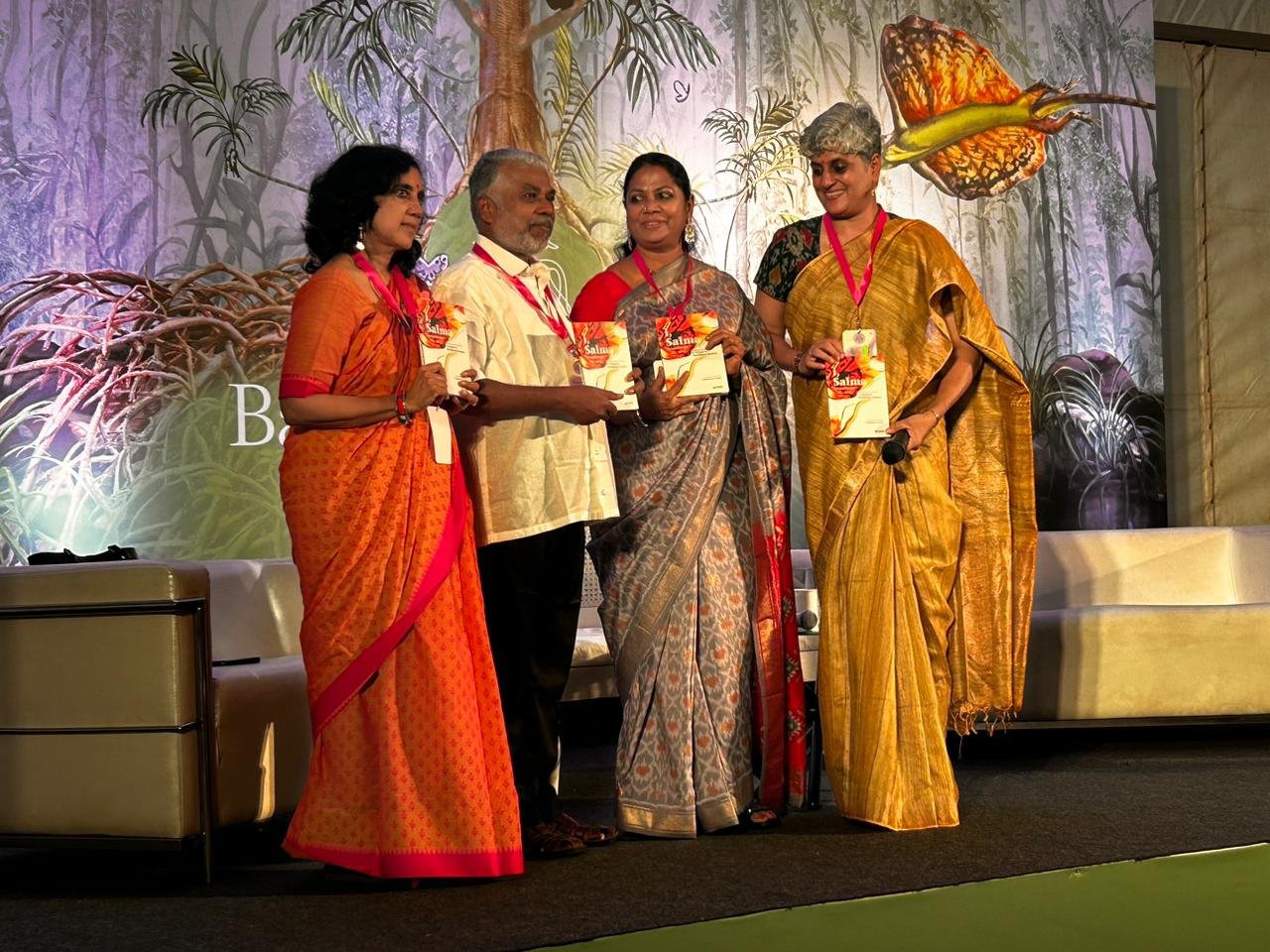
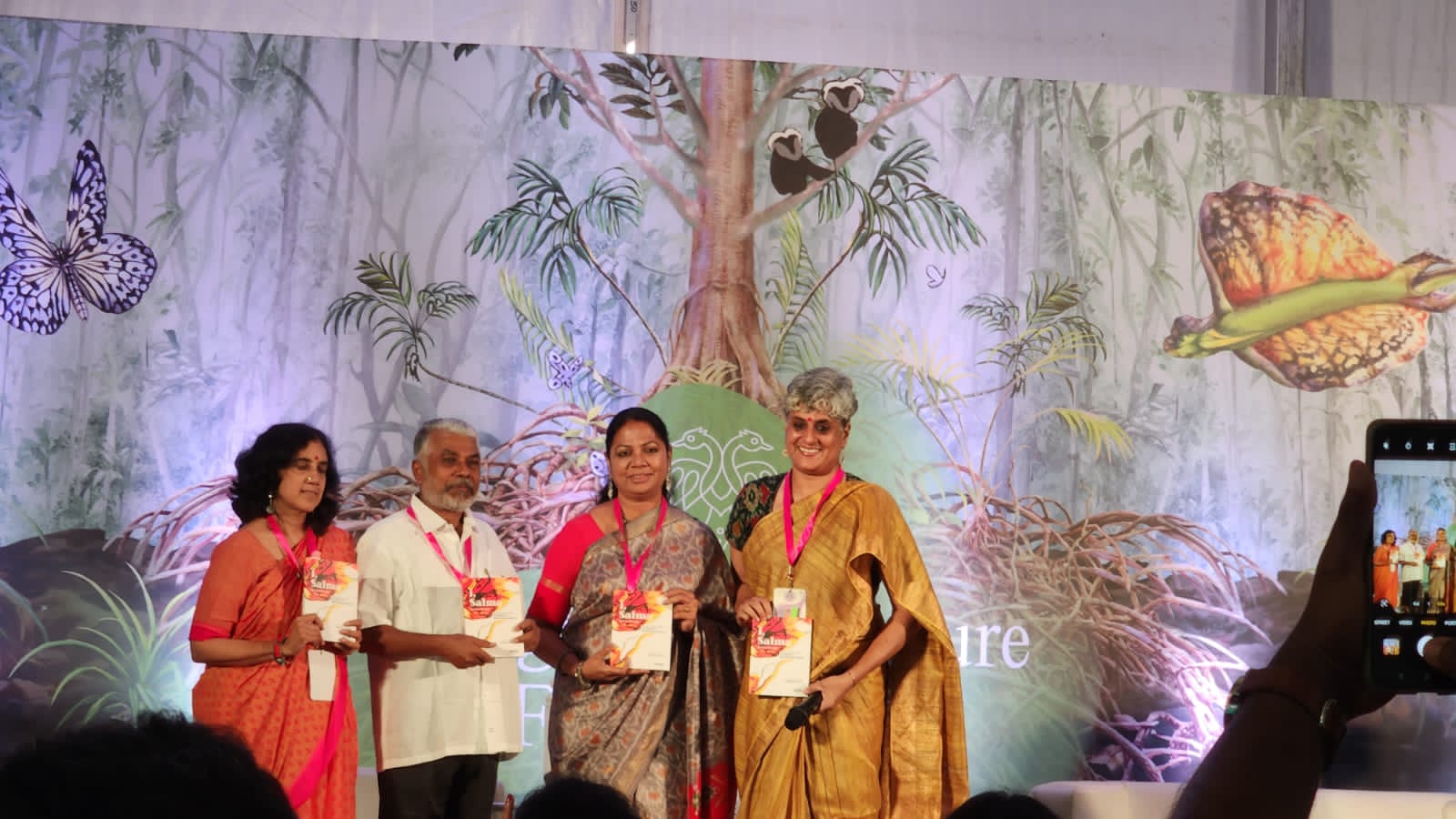
Prakriti Foundation Launch of i, Salma, July 2024
Mahabharata Off the Record was a presentation by poet and writer Srilata Krishnan.
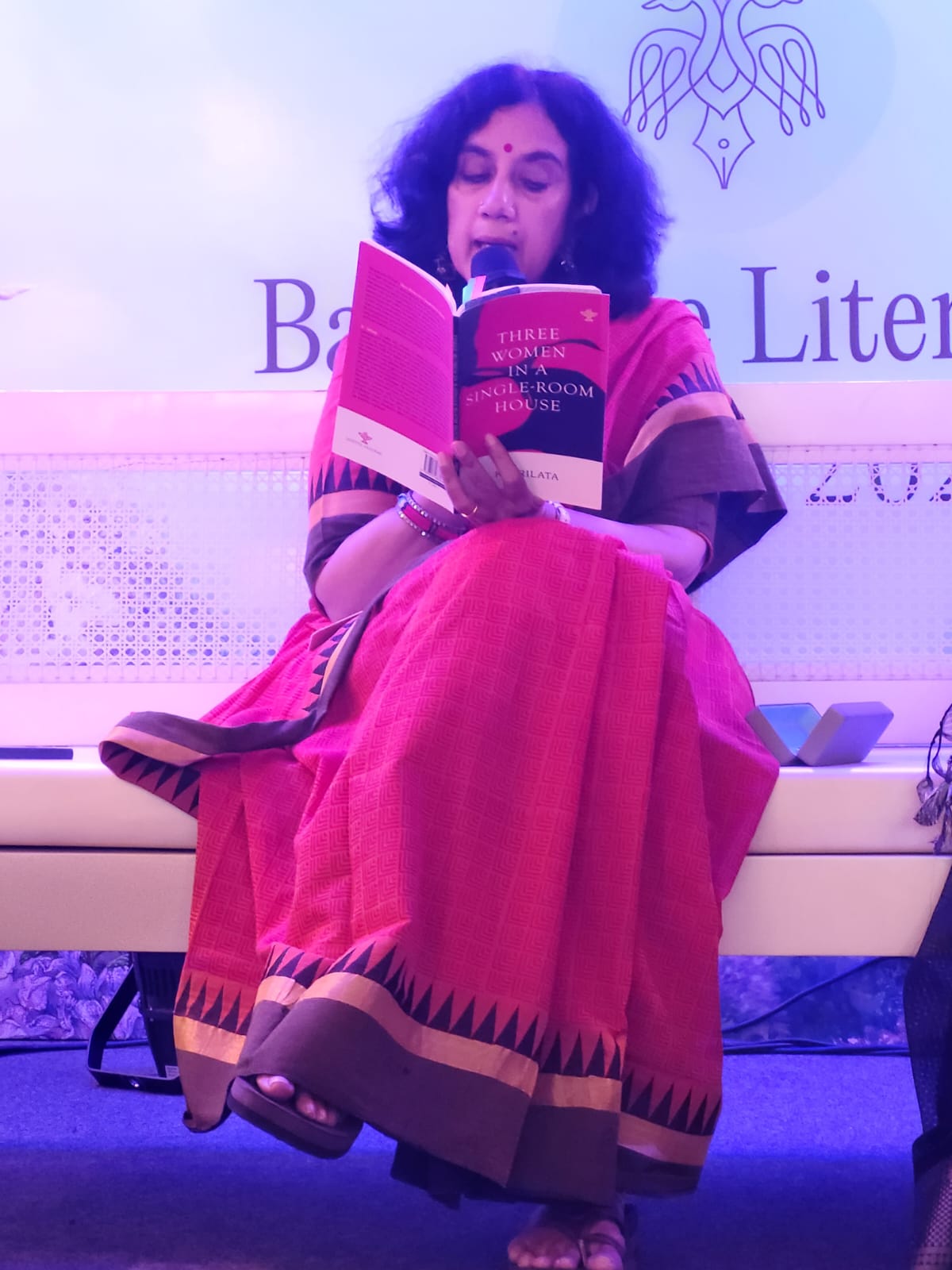
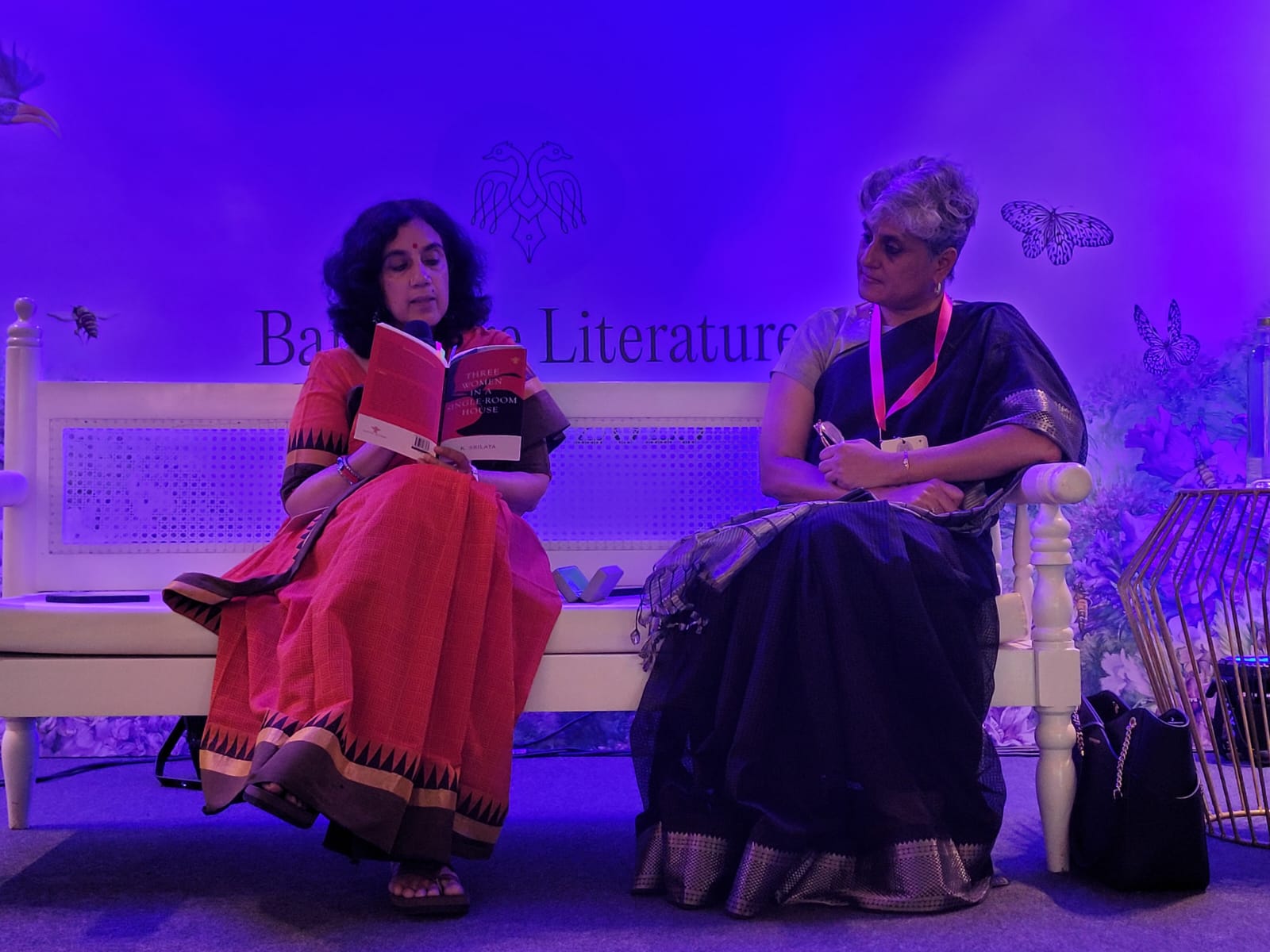
What if the Whole Sky Were Yours?: A Discussion with Shobhana Kumar of Three Women in a Single Room House ( Bangalore Literature Festival, 2023)
Perumal Murugan, Salma, K Srilata and Salma: The launch of i, Salma and Panel Discussion at the Bangalore Literature Festival, 2023
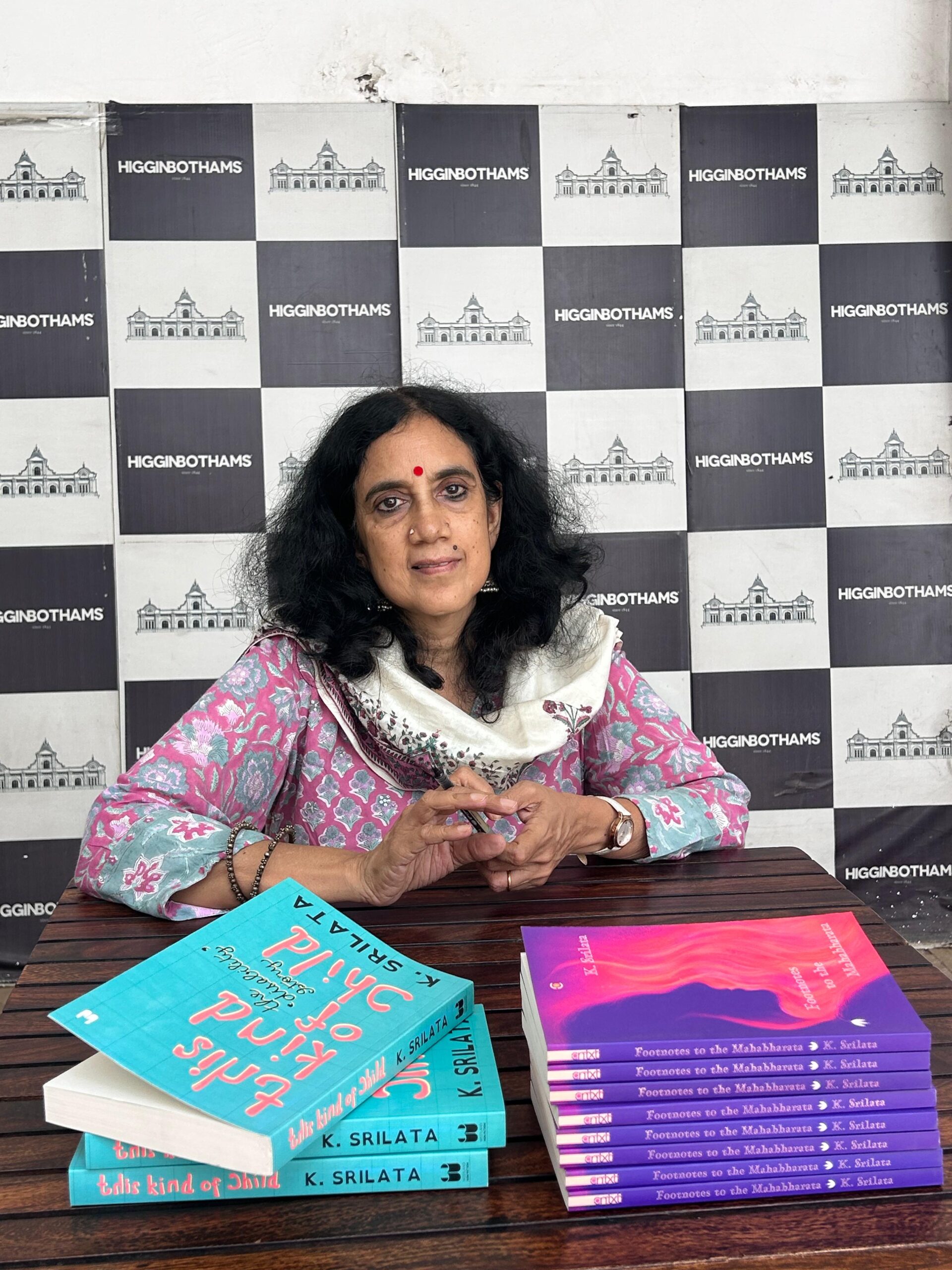
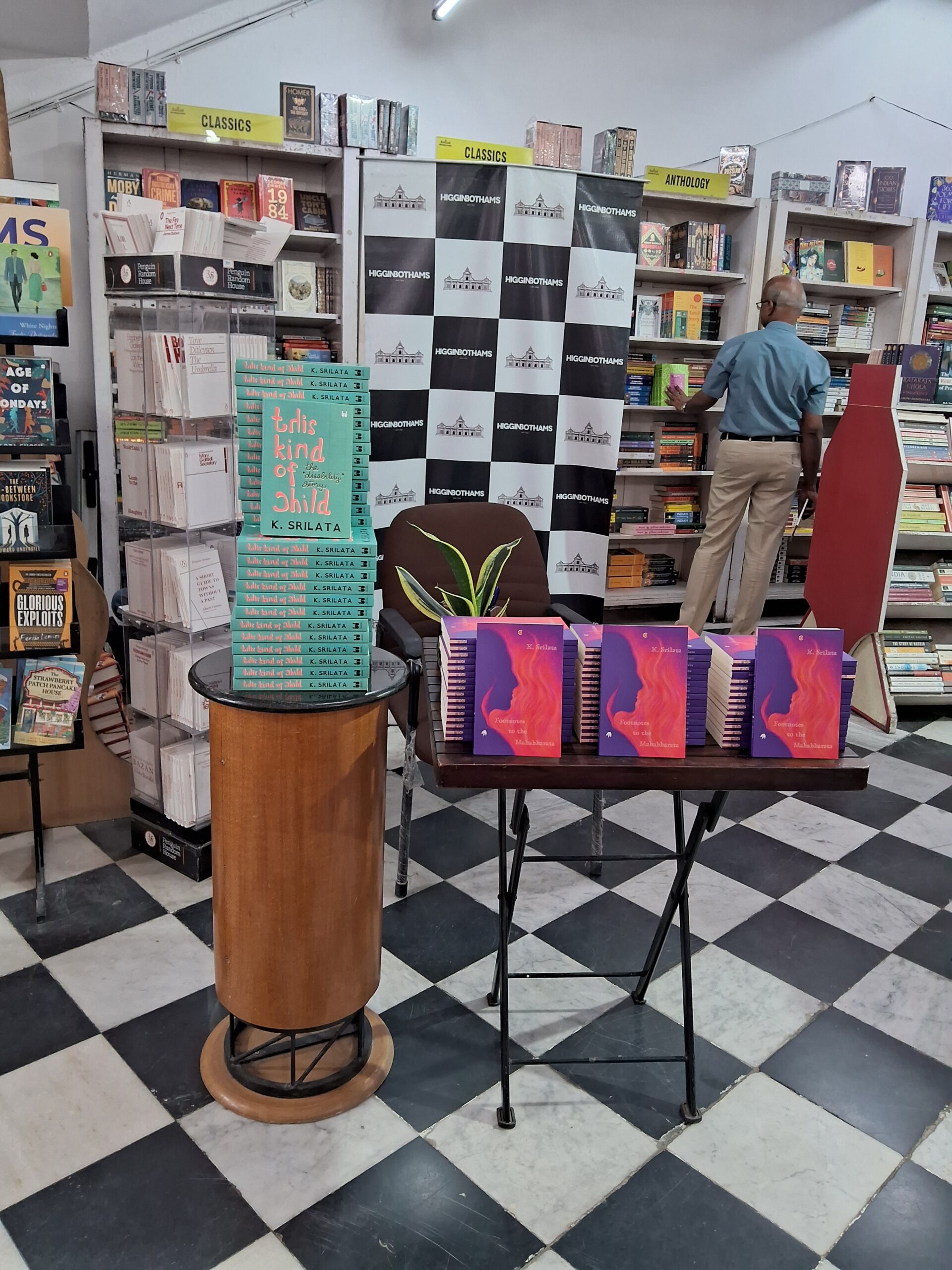
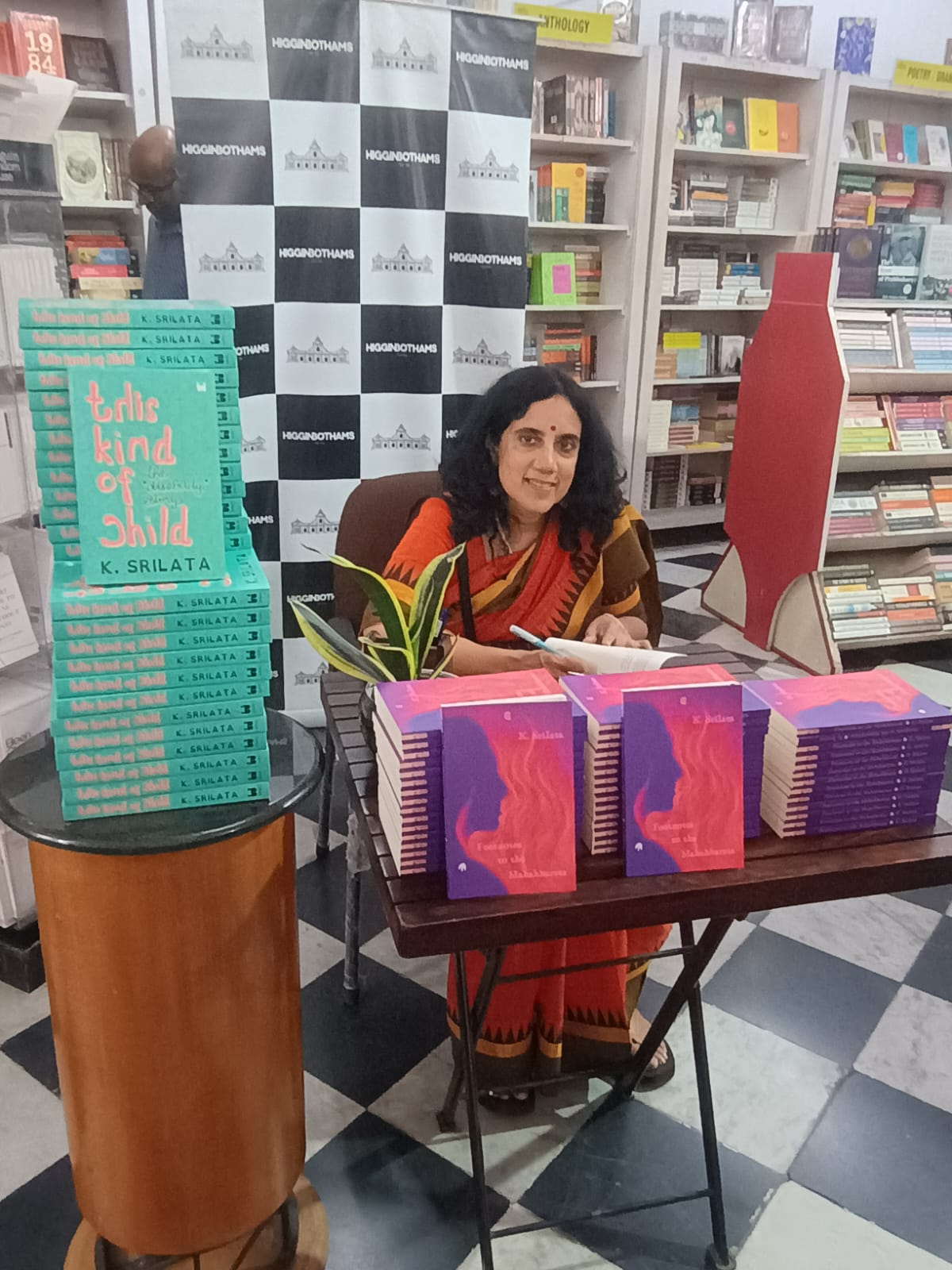
Footnotes to the Mahabharata:
Snippets from Reviews: Footnotes to the Mahabharata:
“Words dripping with desire and longing, words weighed down by grief and betrayal, words so tender and fragrant with love: K. Srilata’s Footnotes to the Mahabharata is filled with gems that leave the reader staring at a blank wall every few minutes.”
—Akila Kannadasan in The Hindu
“Srilata’s poems allow us to revisit women’s lives in the ‘Mahabharata’, reminding us of the contemporaneity of ancient myths and stories. The speaking women in these poems display a fierce intelligence through pain, anguish and pleasure.”
—Ratna Raman in The Tribune
K Srilata’s ‘Footnotes to the Mahabharata’ that chronicles the stories of love and loss through the voices of five women-Alli, Draupadi, Hidimbi, Gandhari and Kunti-laced by the voiceless voice of the ‘Sakhi’, is a profound undertaking. The complexities of relationship, desire, destiny, and the rules of war and dharma that relegate women to the sediments of time, are given new life, a breath that roars.
There is an urgency to the poems as they follow each other, an urgency born out of a seeded reality, of stories overlapping with each other, reminding us that the lives of women are but ‘footnotes in the war’ (the most powerful page in the book), reminding us that silences, too, can speak volumes.”
—Praveena Shivram in Arts Illustrated
“Footnotes succeeds in seamlessly fusing the narrative modes of the epic with the poignancy of the lyric and in valorously inserting a feminist ethics in historical discourse. Without raising a rant or an accusation, it speaks with the confidence of facts, lived experience, and retrospective clarity… Srilata writes with an aching lyricism, a lilt that captures the cadence of Tamil Sangam poetry and the polish of contemporary English idiom.”
—Basudhara Roy in The Bangalore Review
“Srilata’s collection skillfully weaves the lives of these five women [from the Mahabharata] into a single string and lets them break free… The poems remind us that had [the women] been free to speak, their words would have shattered the kingdom.”
—Kabir Deb in Outlook
“The most compelling voice in the collection belongs to young Draupadi—passionate, poetic, and feisty—whose “life of the mind” is already a cause for concern for her parents. Rejecting all feminine ornamentation, she dons an ascetic look befitting a scholar until she becomes love-crazed, pining for Krishna.”
—Iswarya V in Frontline
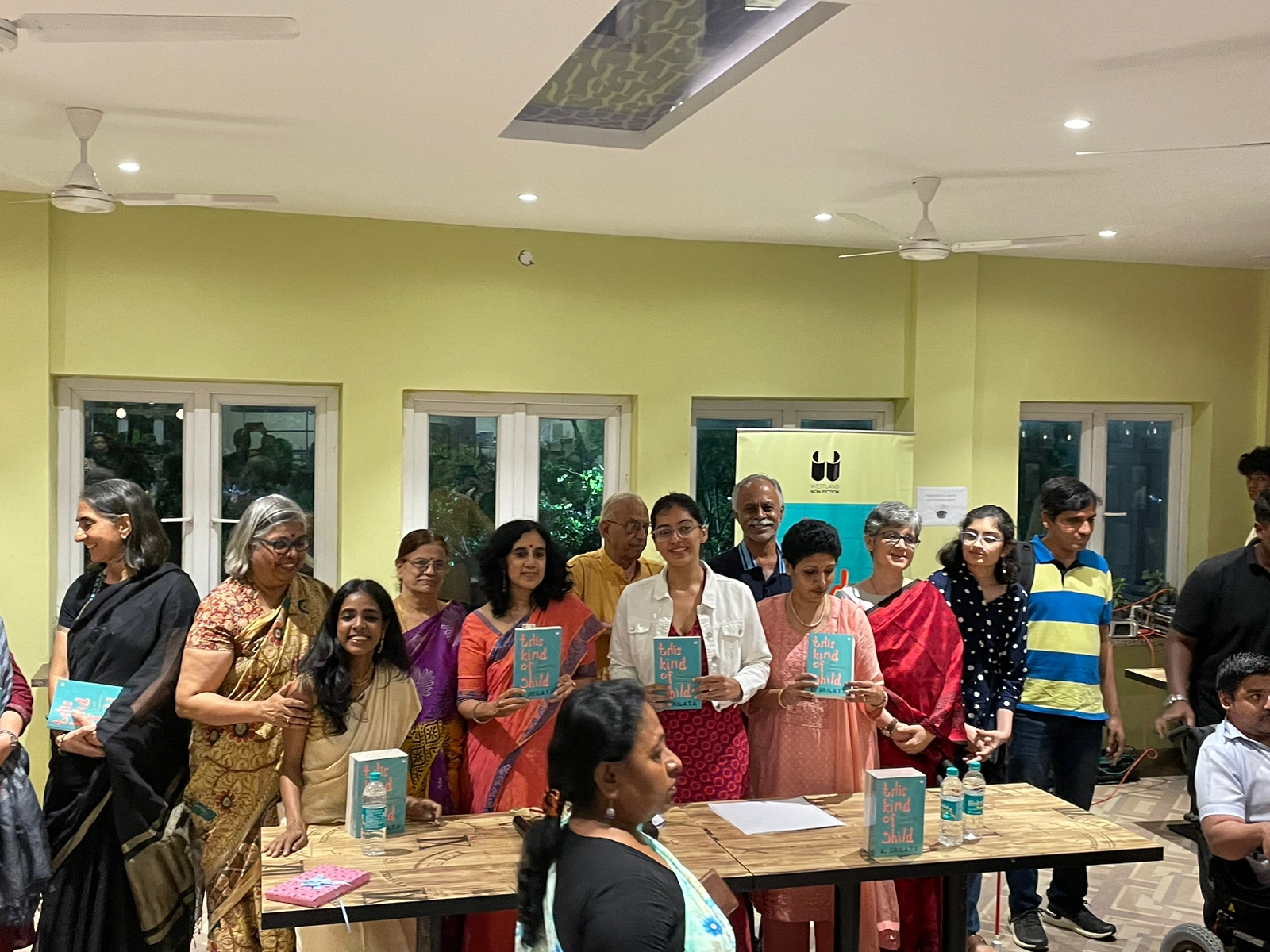
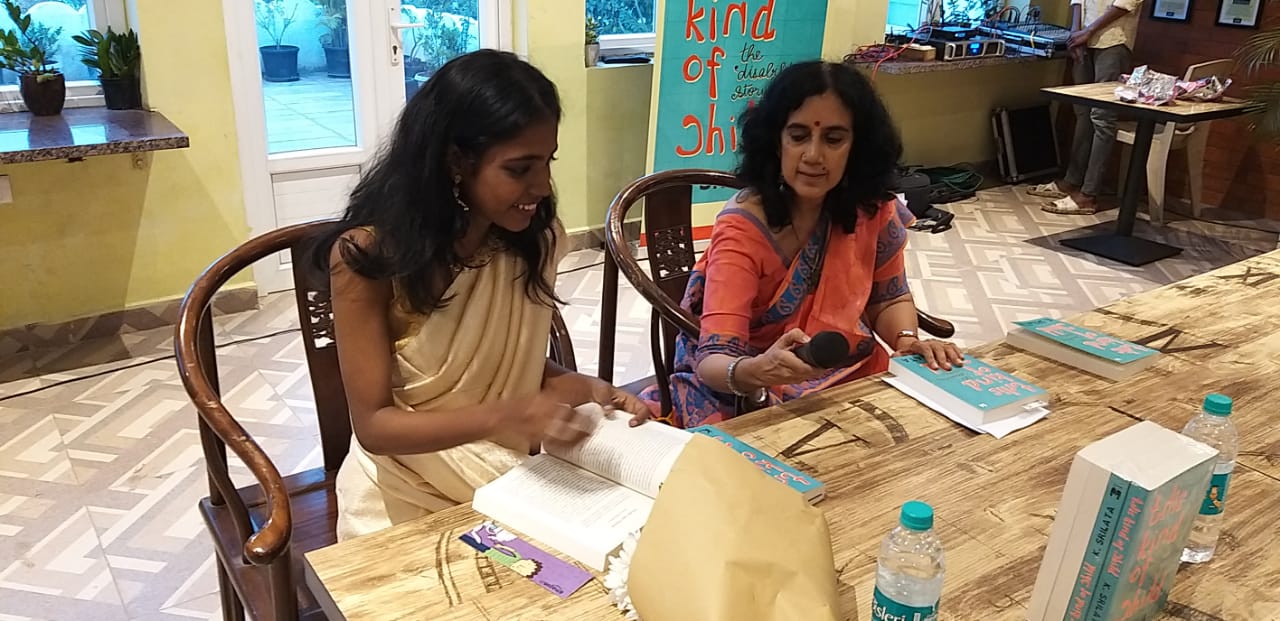
This Kind of Child: The ‘Disability’ Story:
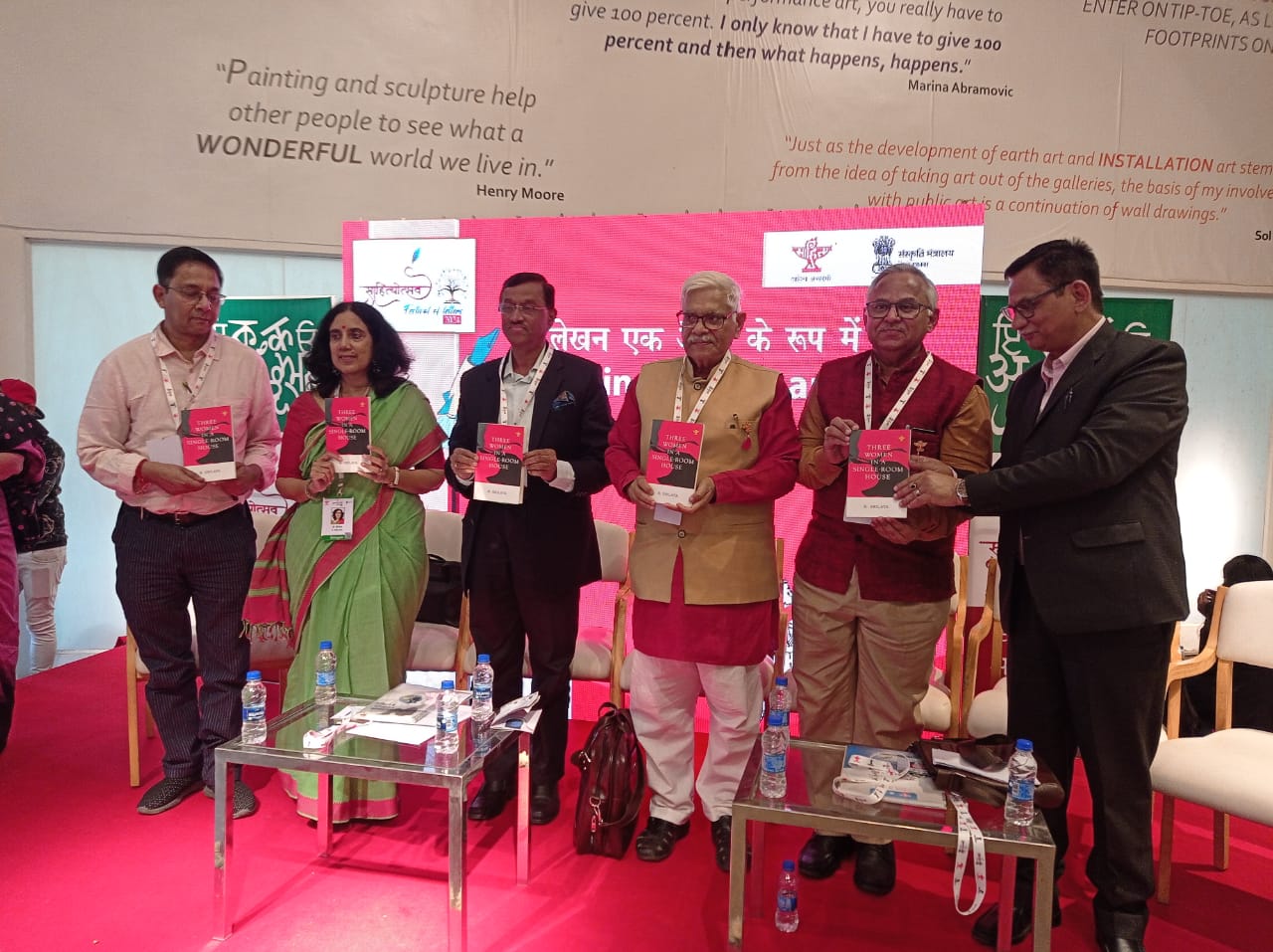
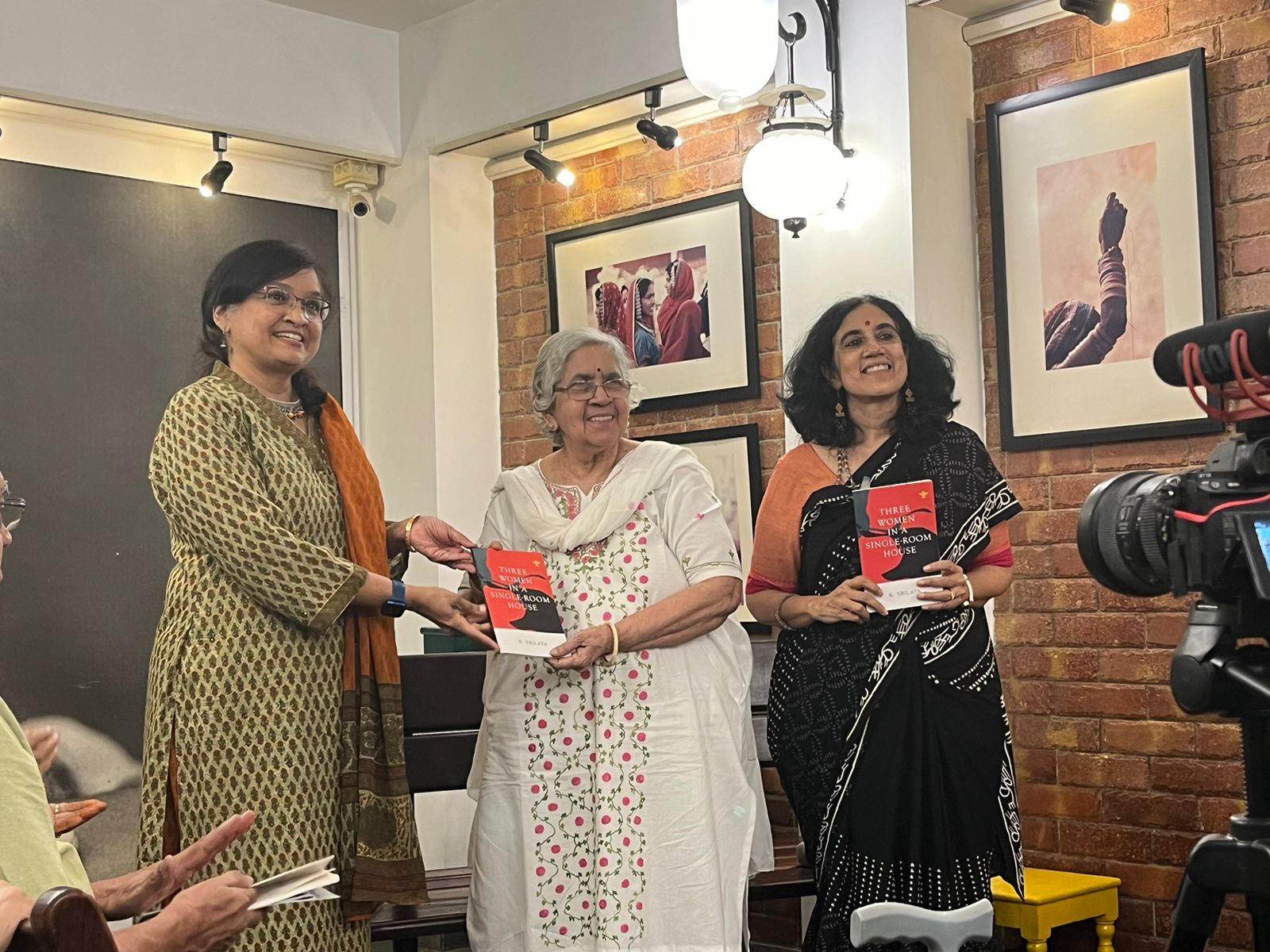
Three Women in a Single-Room House:
Reviews of Table for Four:
The Book Review on “Table for Four”
(VOLUME XXXVI NUMBER 11 NOVEMBER 2012)
Novel as an Art Form
K.Srilata’s debut novel Table for Four, long-listed for the Man Asian Literary Prize 2009 and published by Penguin Books India 2011, is a resurrection of the past probably as a moral protest against the burden of the private ethics of the characters. It also offers an unfailing anchor to sustain the pent-up emotional and intellectual needs of the characters caught in a continuum between the exploiter and the exploited. Suffocating under the repository of their memories, the underpinning of the subconscious desire provides the internal evidence to size up the characters squarely. The novel’s preoccupation with memory makes it essentially an exploration of the inner selves forging the characters’ identities. No wonder, the novel is an engrossing journey from memory to multidimensional meanings as the characters identify their fugitive selves. The listening tortoise table Nikolai, anthropomorphized and oxymoronic by being articulate silence, donning the role of an objective character, is the silent witness as the narrative action gains momentum in ‘part two’ at No.14 Bay Street, Santa Cruz on the last evening in the game of swapping stories and, thus, creating a sense of undefined and unassailable intrigue, awe, fear, foreboding, guilt, remorse, loss and pity as the four characters release the prisoners (read stories) inside them; Sandra and Uncle Prithvi followed by Derek in snatches and Maya the narrator. Memory acquires a new centrality as action through flashback narrative catches up and readers are drawn hauntingly into the unravelling interior of the human psyche. The interplay of the past and the present acts as a cultural radar for self-correction of the characters. Beneath the simple, placid exterior, the novel has an agenda. The characters are fraught with ambiguities, paradoxes and crises. Prithvi Uncle, a still-waters-run-deep type, is aloof by nature but makes his brooding presence felt in the form of fragmentary representations. Gifted with ‘enormous mirrors’, this charmingly odd Elf-man’s deliberate distance from his boarders, his poignant awareness of his life devoid of commitment, his loveless relationship with his wife Shyamala, his sadistic attitude to and estrangement from his daughter Mira, his belief in the efficacy of his compelling ambition and his plight of getting trapped in his sudden mind-reading ability which pushes him to escape into a self-induced exile and precipitates the change of relationship—all are no less intriguing. Intractable dilemma, despair and guilt run through Sandra’s past life at the Mercy Home—her heart bleeding …